
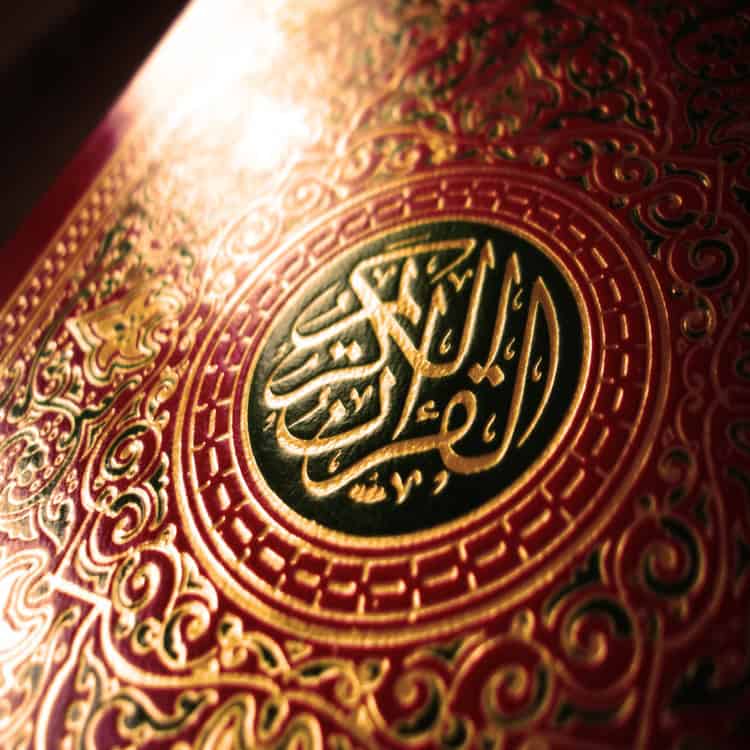
The Quran gives guidance on all aspects of human life, both on an individual and collective level. Ibn Abbas رضي الله عنه said, “All knowledge is contained in the Quran, but the minds of men are deficient in comprehending it.”(Mirqat) The marvels and wonders of the Quran make it a living miracle which continues to captivate the minds of people who open-mindedly read it.
The Muslim Ummah through the ages has displayed an amazing degree of love and attachment to the Quran and its content. In every era, Muslim scholars, teachers, students, mentors, researchers and others have been immersed in its study and research. By analysing its subject matter from various angles the scholars compiled numerous commentaries. Some examples of commentaries are listed below:
- Tafseer al-Tabari by Ibn Jareer Tabari – It contains the aathaar (sayings) of Sahabah رضي الله عنهم and Tabieen رحمهم الله (successors of Sahabah).
- Tafseer Kasshaaf by Zamakhshari رحمه الله – It contains intricate interesting points on the eloquence, beauty and literal brilliance of the Quran.
- Mafaateehul Ghaib by Fakhruddeen Raazi رحمه الله in 32 volumes – It contains points of Islamic beliefs and rebuttals of the enemies of Islam.
- Ahkaamul Quran by Abu Bakr Jassas Raazi رحمه الله – It provides tafseer of aayaat dealing with juristic rulings.
- Ahkamul Quran by Ibn Arabi Maaliki رحمه الله – It provides tafseer of aayaat dealing with juristic rulings.
- Tafseer Mazhari by Qazi Thanaullah Paanipati رحمه الله – It explains aspects of tasawwuf.
- Tafseer Ibn Katheer by Ibn Katheer رحمه الله – It provides tafseer of aayaat through other aayaat and ahaadith.
- Tafseerul Quran bikalaamir Rahmaan by Thanaullah Amritsari رحمه الله – It provides tafseer of aayaat through other aayaat.
- Al-Jawahir by Allamah Tantawi رحمه الله – It discusses aspects of modern science.
- Al-Jami’ Li Ahkaamil Quran by Imam Qurtubi رحمه الله – It contains rulings of fiqh, aspects of Arabic grammar, eloquence, etc.
- Ruhul Ma’aani by Allaamah Aaloosi رحمه الله – It provides answers to the enemies of Islam. Specifically, it gives answers to the Shia Allamah Tabrasi’s proofs against the Ahlus Sunnah Wal Jamaah.
Apart from these, many scholars wrote voluminous works on the Quran, but these were either lost or destroyed. We have only come to know about them from the references given in books of history. Some of them are mentioned below:
- Al-Mukhtazan. A tafseer by Imam Abul Hasan Ash’ari رحمه الله in 70 volumes.
- Al-Muheet. A tafseer by Qadhi Abdul Jabbaar Hamdaani رحمه الله in 100 volumes.
- Hadaaiq Dhaat Bahjah. A tafseer by Abdus Salaam Qazweeni رحمه الله in 300 volumes or more. The author made his work waqf to the Abu Hanifah Masjid in Baghdaad, however it was destroyed when the Tartars plundered the city.
- Tafseer Ibn An-Naqeeb Aqdasi رحمه الله. A tafseer in 100 volumes. Portions of it are extant in the libraries of Istanbul.
- Tafseer Fathul Mannaan better known as Tafseer Allaami. Authored by Allamah Qatub ud-Deen Sheeraazi رحمه الله in 40 volumes. Its first volume is in the Shaahi library in Egypt while other portions are in the libraries of Istanbul.
- Tafseer Allaamah Zaahid al-Bukhari رحمه الله in 100 volumes.
- A tafseer by Ibn Shaaheen رحمه الله consisting of 1000 volumes.
Apart from these many commentaries of the Quran, numerous works have been penned by the scholars discussing individual concepts and subjects of the Quran related to fiqh, politics, grammar, history, tasawwuf, science, etc.
(Inspired by the the Quran pg.64)